


June 30 2005 3:16 PM EST
CONTACTAbout UsCAREER OPPORTUNITIESADVERTISE WITH USPRIVACY POLICYPRIVACY PREFERENCESTERMS OF USELEGAL NOTICE
© 2026 Equal Entertainment LLC.
All Rights reserved
All Rights reserved
By continuing to use our site, you agree to our Privacy Policy and Terms of Use.
We need your help
Your support makes The Advocate's original LGBTQ+ reporting possible. Become a member today to help us continue this work.
Your support makes The Advocate's original LGBTQ+ reporting possible. Become a member today to help us continue this work.
Gays and lesbians won a major legal victory when the California supreme court let stand a new law granting registered domestic partners many of the same rights and protections of heterosexual marriage. Without comment Wednesday, the unanimous justices upheld appellate and trial court rulings that the sweeping measure does not conflict with a voter-approved initiative defining marriage as a union between a man and a woman. The domestic-partner law, signed in 2003 by then-governor Gray Davis, represents the nation's most comprehensive recognition of gay domestic rights, short of the legalization of gay marriage in Massachusetts and civil unions in Vermont and Connecticut. The law, which went into effect January 1, grants registered couples virtually every spousal right available under state law except the ability to file joint income taxes. Groups opposing the law said Wednesday they hope to qualify a ballot measure asking voters to overturn the justices' decision and perhaps to bar gay and lesbian couples from ever getting married in California. "Certainly, this reflects the importance of the people of California rising up to ensure that their vote in 2000 is counted and not overlooked by the courts," said Robert Tyler, an attorney with the Alliance Defense Fund, which asked the justices to overturn the law. The Campaign for California Families, along with the late state senator Pete Knight, originally challenged the law, saying it undermines Proposition 22, the 2000 initiative that defined marriage as the union of a man and a woman. Knight, a Republican from Palmdale who died after the suit was filed, was the author of that measure, which passed with 61% of the vote. Kate Kendell, executive director of the National Center for Lesbian Rights, said the "antigay industry's" reaction to the decision means "they won't stop until essentially the existence of lesbians and gay men is eradicated." Wednesday's ruling by California's six participating justices, the final arbitrators of state law, upheld an April decision by the third district court of appeal in Sacramento, which had ruled that Proposition 22's language is clearly limited to "marriage." By 1999, California had already begun allowing same-sex couples and couples older than 62 years of age to register as domestic partners, and Proposition 22 didn't express "an intent to repeal our state's then-existing domestic partners law" or ban future legislation regarding domestic partners, the appeals court held. Supporters of Proposition 22 could have easily barred the legislature from enacting or extending domestic-partnership laws by using language similar to that in other states; in Nebraska, for example, an initiative defining marriage as the union of a man and a woman also stated that domestic partnerships or civil unions of same-sex couples would not be valid, the appeals court noted. "We're extremely pleased," said Nathan Barankin, a spokesman for Atty. Gen. Bill Lockyer, who urged the justices to uphold the domestic-partner law. "We fought hard to protect California's landmark domestic-partner law and believe the trial court and the appellate court and the California supreme court reached the exact and right result." Proposed ballot measures banning same-sex marriage and domestic-partner benefits were received last month by Lockyer's office and are awaiting the assignment of a ballot title and summary by the attorney general. The measures could appear on the June 2006 ballot. Peter Henderson of the California Family Council said his group is among a coalition of other groups spearheading the ballot box drive. "This decision is why we believe the initiative process is so important, to give voters a direct say through direct democracy on issues of this importance," he said. The proposed ballot measures are also aimed at a March ruling from a San Francisco County superior court judge who ruled that Proposition 22 and other California laws limiting marriage to unions between one man and one woman were unconstitutional. Such laws violate the civil rights of gays and lesbians because they "implicate the basic human right to marry a person of one's choice," Judge Richard Kramer wrote. That ruling, which was stayed, is on appeal to the San Francisco-based first district court of appeal and is pending. Justice Janice Rogers Brown, who leaves Thursday to join the U.S. court of appeals for the District of Columbia, did not vote. (AP)


From our Sponsors
Most Popular
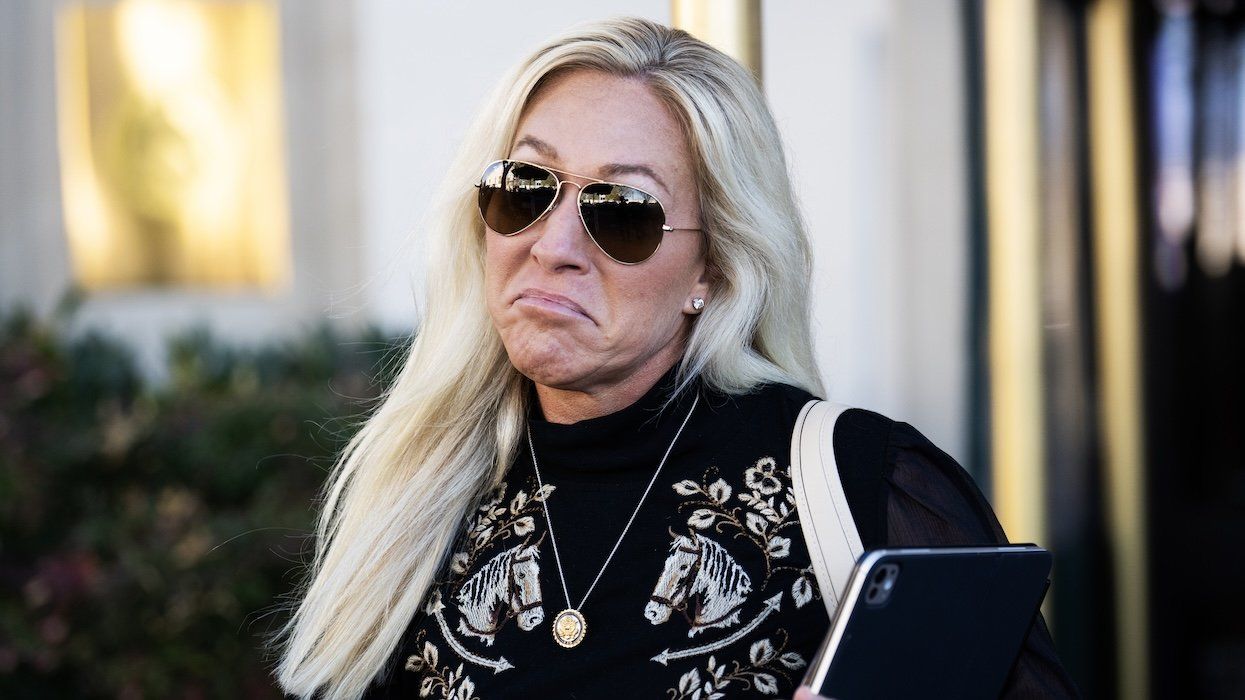


Bizarre Epstein files reference to Trump, Putin, and oral sex with ‘Bubba’ draws scrutiny in Congress
November 14 2025 4:08 PM
True

Jeffrey Epstein’s brother says the ‘Bubba’ mentioned in Trump oral sex email is not Bill Clinton
November 16 2025 9:15 AM
True

Watch Now: Pride Today
Latest Stories

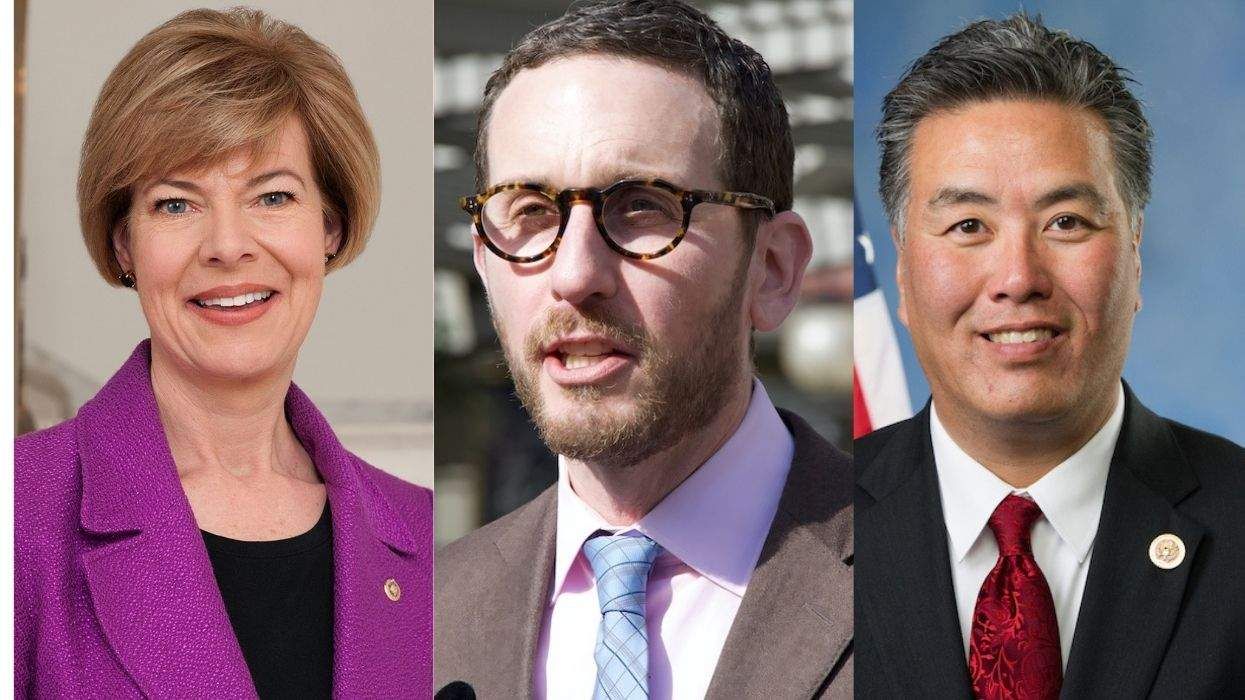






Tim Walz drops reelection bid for Minnesota governorship
January 05 2026 9:25 AM
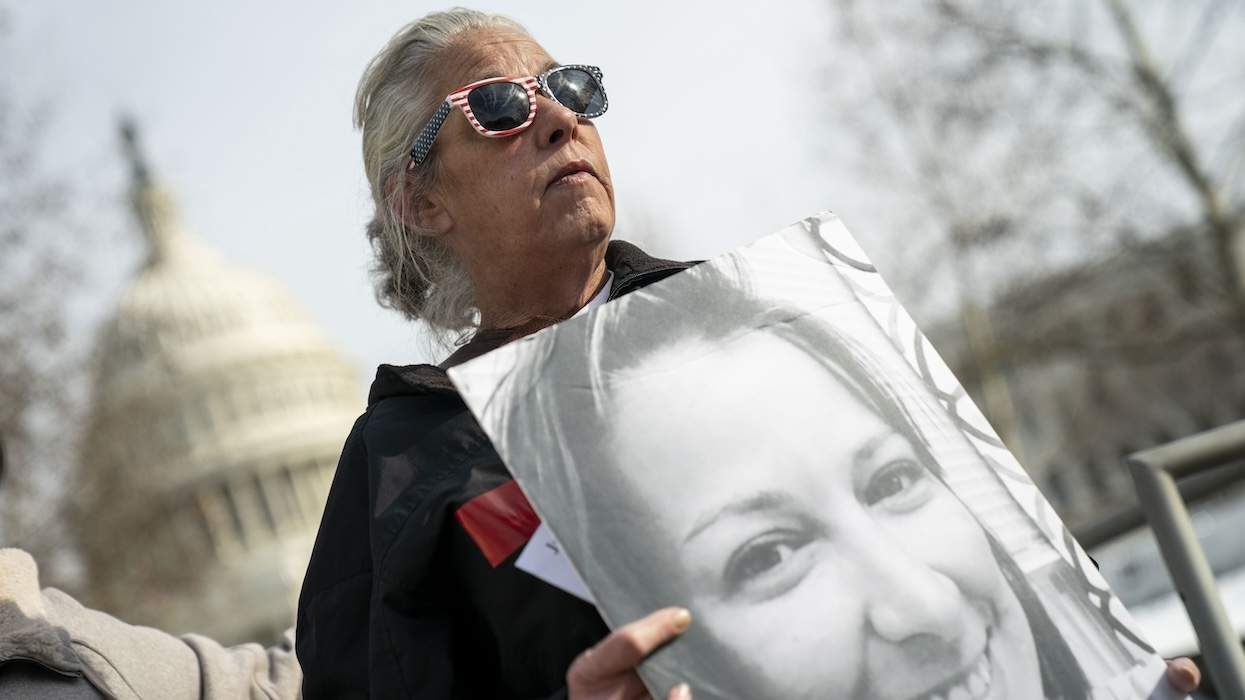
Ashli Babbitt and the making of a MAGA martyr
January 05 2026 9:24 AM

I have everything I was supposed to want. So why am I still lonely?
January 05 2026 6:00 AM

Is there a link between autism and being transgender? Here's what the science says
January 02 2026 9:00 AM

The films of bisexual actor Anthony Perkins: Beyond Psycho's Norman Bates
January 02 2026 7:00 AM

All about the Mattachine Society, the first enduring U.S. gay rights group
January 01 2026 8:00 AM

Canceled shows and record lows: How Trump is killing the Kennedy Center
January 01 2026 7:00 AM
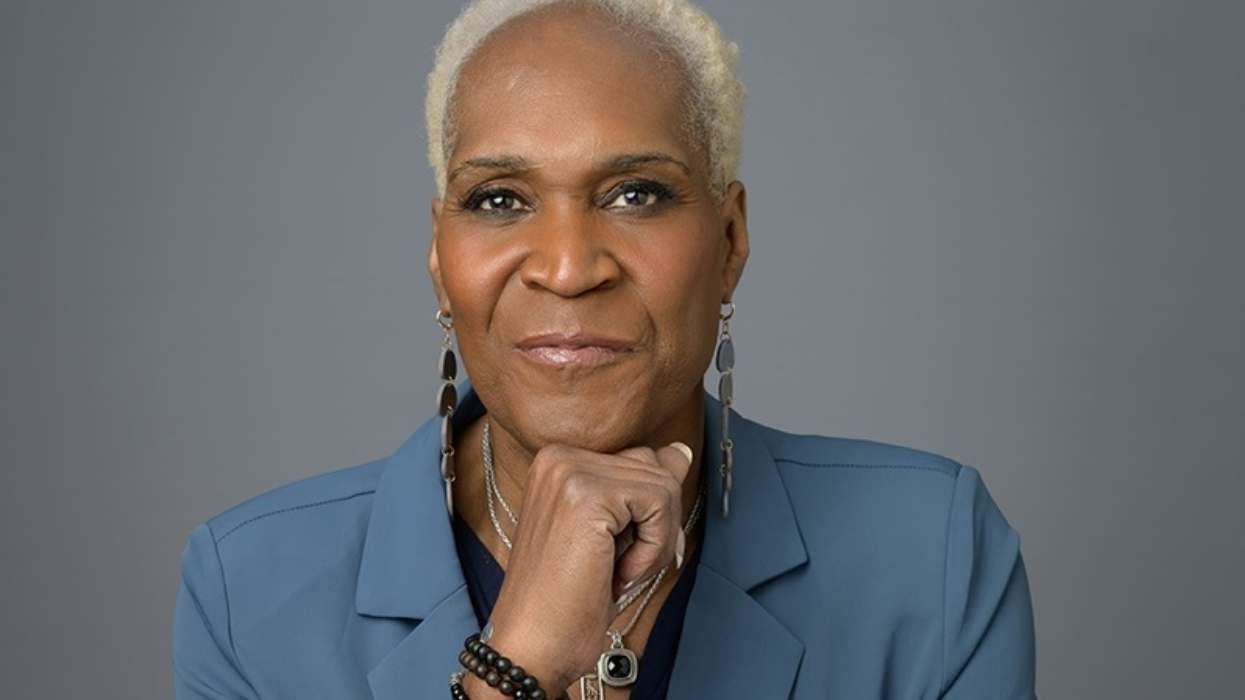
As groundbreaking trans politician Andrea Jenkins retires, a look at her life and career
December 31 2025 5:49 PM

9 queer celebrities who made us proud in 2025
December 31 2025 4:35 PM

9 viral queer moments of 2025: From Nicki's right turn, to the 'Funeral Stud'
December 31 2025 4:30 PM

Kellyanne Conway says Trump critics need a husband — including lesbian Rosie O'Donnell
December 31 2025 2:54 PM

San Francisco green-lights affordable housing for LGBTQ+ seniors
December 31 2025 11:45 AM
Trending stories













Recommended Stories for You























Charlie Kirk DID say stoning gay people was the 'perfect law' — and these other heinous quotes